
Malcolm-Jamal Warner’s Family Dispute Highlights the Importance of Estate Planning Follow-Through
Malcolm-Jamal Warner—known to millions as Theo Huxtable on The Cosby Show—died unexpectedly in 2025, leaving behind a wife and young daughter. One year later, his widow filed a lawsuit alleging more than $1.27 million in unfulfilled obligations under their premarital agreement.
According to TODAY’s reporting on the complaint, the alleged obligations included a $1 million term life insurance policy naming Tenisha Warner as the sole beneficiary, creation of a retirement account, annual anniversary payments, and monthly compensation for her work as his chief of staff.
These are allegations and have not been established by a court. Even so, the dispute highlights one of the most important—and frequently overlooked—principles of estate planning: putting an obligation on paper is not always enough. Implementation matters.
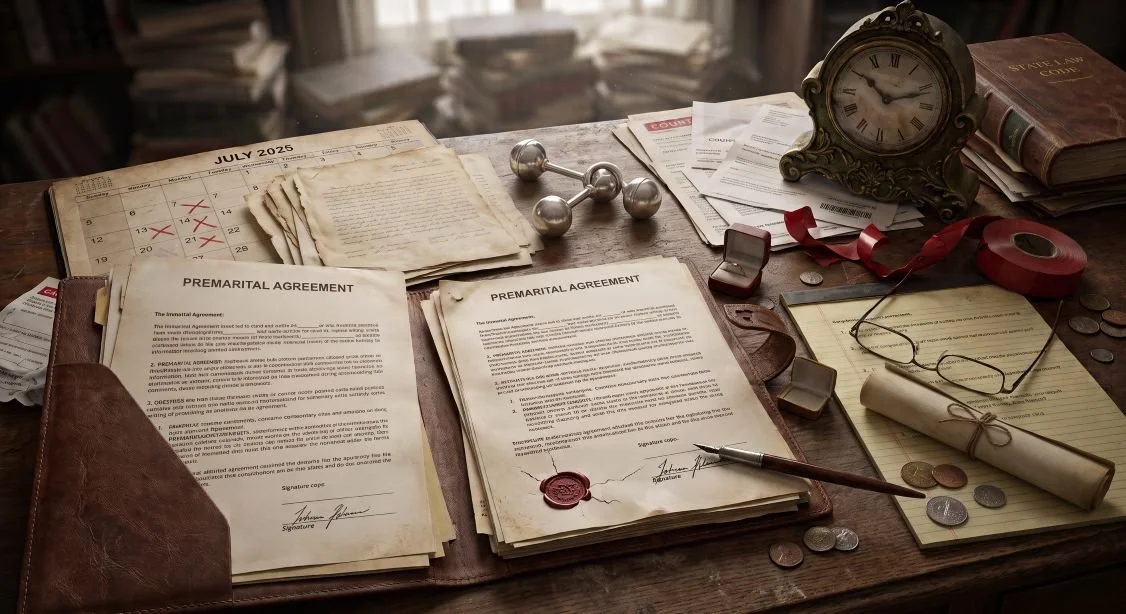
Why Your Premarital Agreement and Estate Plan Need to Work Together
A premarital agreement and an estate plan serve different purposes, but they frequently overlap. If an existing agreement requires life insurance, retirement planning, payments, or particular provisions for a spouse or child, the estate plan should account for those obligations.
An estate planning attorney can help coordinate the legal plan with the work of the client’s insurance professional, CPA, financial adviser, and other counsel. That may include reviewing whether required insurance is in force, beneficiary designations align with existing agreements, and changes in the client’s family or finances require updates.
When interpretation or enforcement of a premarital agreement is necessary, the estate planning attorney can coordinate with appropriate family law counsel.
The bottom line: An agreement may establish an obligation, but follow-through determines whether the intended protection is actually in place.
“Set It and Forget It” Doesn’t Work
The Warner complaint alleges missing annual anniversary payments, failure to create a retirement account, and unpaid monthly compensation. These types of obligations require action over time. They cannot be completed simply by signing a document and putting it away.
Periodic estate planning reviews can provide an opportunity to ask:
Have required payments been addressed?
Is required insurance still in force?
Are beneficiary designations still correct?
Have required account arrangements been completed?
Does the estate plan still work with the client’s contractual obligations?
Should an accountant, financial adviser, or other attorney be involved?
No review process can guarantee that every obligation will be completed or every dispute avoided. But a regular review can help identify overlooked or unresolved issues while there is still time to address them.
The bottom line: Recurring obligations should not depend solely on memory or good intentions.
The Missing Link: Coordinating Your Accounts
Life insurance is a good example. If an agreement requires a policy for a spouse, signing the agreement is only the first step. Fulfilling the obligation may require:
Applying for coverage and completing underwriting;
Confirming that the policy has been issued;
Paying premiums to keep the policy in force;
Naming the beneficiary required by the agreement; and
Reviewing the policy after major life changes.
Here is the catch: A will or trust generally does not override a life insurance beneficiary designation. If an agreement says one thing, the estate plan says another, and the policy names someone else, the inconsistency can create uncertainty, competing claims, and potentially costly litigation.
The goal is to make sure the legal documents, beneficiary designations, insurance coverage, and financial arrangements all support the same plan.
The bottom line: Estate planning is most effective when all the pieces work together.
Protecting What Matters Most: Minor Children
The Warners reportedly have a young daughter. When a minor child is involved, planning goes beyond fulfilling financial or contractual obligations.
Proper planning allows parents to address questions such as:
Who should manage the child’s inherited assets?
Would a trust be appropriate?
How should funds be used for the child’s health, education, and support?
When should the child gain control of inherited assets?
How should the plan change as the child grows?
Whom would the parents nominate as guardian if no surviving parent or other person with superior legal rights were available?
Leaving assets directly to a minor can create practical and legal complications. A properly structured trust can allow a selected trustee to manage the assets according to standards established by the parent.
Guardianship is a separate issue. A parent can document a nomination and explain their wishes, but a court ultimately applies governing law and considers the child’s best interests.
The bottom line: Planning for a child is not only about how much the child receives. It is also about who will manage the assets, how they may be used, and when the child will gain control.
A Common and Potentially Costly Planning Mistake
Most planning gaps are not dramatic. They are ordinary oversights.
A policy application gets buried on a desk. A beneficiary designation is not updated after a major life change. A required payment is missed. A trust is signed but never funded.
The gap between intention and implementation becomes especially important after a death, when the person who could best explain or correct the issue is no longer available.
An estate planning attorney can help by:
Reviewing existing agreements that affect the estate plan;
Identifying practical implementation steps;
Coordinating with the client’s other advisers;
Reviewing whether assets and beneficiary designations align with the plan; and
Recommending updates after significant life changes.
Signing documents is an important milestone, but it is not always the end of the planning process.
The bottom line: A plan works better when the documents, assets, beneficiary designations, and contractual obligations are reviewed together.
What You Can Do Right Now
If you have a premarital agreement, life insurance obligation, trust, or other planning commitment, ask one simple question:
Does my current estate plan actually account for it?
It may also be time to consider:
Have the required steps been completed?
Are beneficiary designations current?
Are recurring obligations being tracked?
Does the estate plan align with existing agreements?
Have changes in the family or finances affected the plan?
Schroer Legacy Law LLC helps clients create and maintain estate plans that bring their assets, family circumstances, beneficiary designations, and existing legal obligations into one coordinated strategy. When another professional’s guidance is needed, the planning process can be coordinated with the client’s insurance, financial, tax, or other legal advisers.
Schedule a complimentary 15-minute discovery call to discuss your estate planning needs:
This article is a service of Schroer Legacy Law LLC. We do more than draft documents; we help clients make informed and empowered decisions about planning for themselves and the people they love.
This material is provided for educational and informational purposes only and does not constitute legal advice or legal services. Receipt or review of this article does not create an attorney-client relationship with Schroer Legacy Law LLC.
The choice of a lawyer is an important decision and should not be based solely upon advertisements.
